Worried Your Engineering Degree Alone Won't Be
Enough to Get You Hired?
Discover one of the most in-demand engineering skills used by leading automotive, aerospace, energy, and manufacturing companies—and learn how industry engineers solve real-world problems.
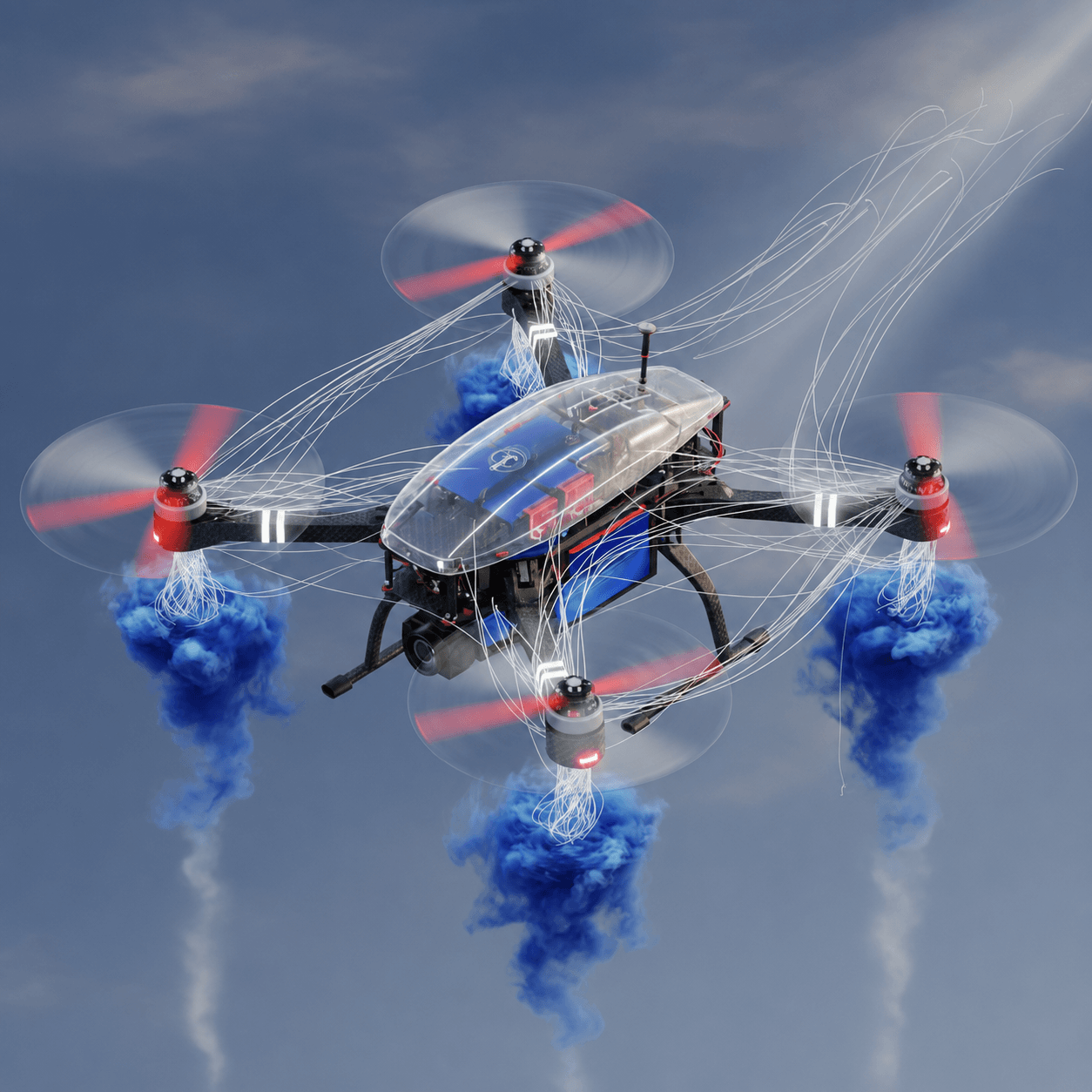
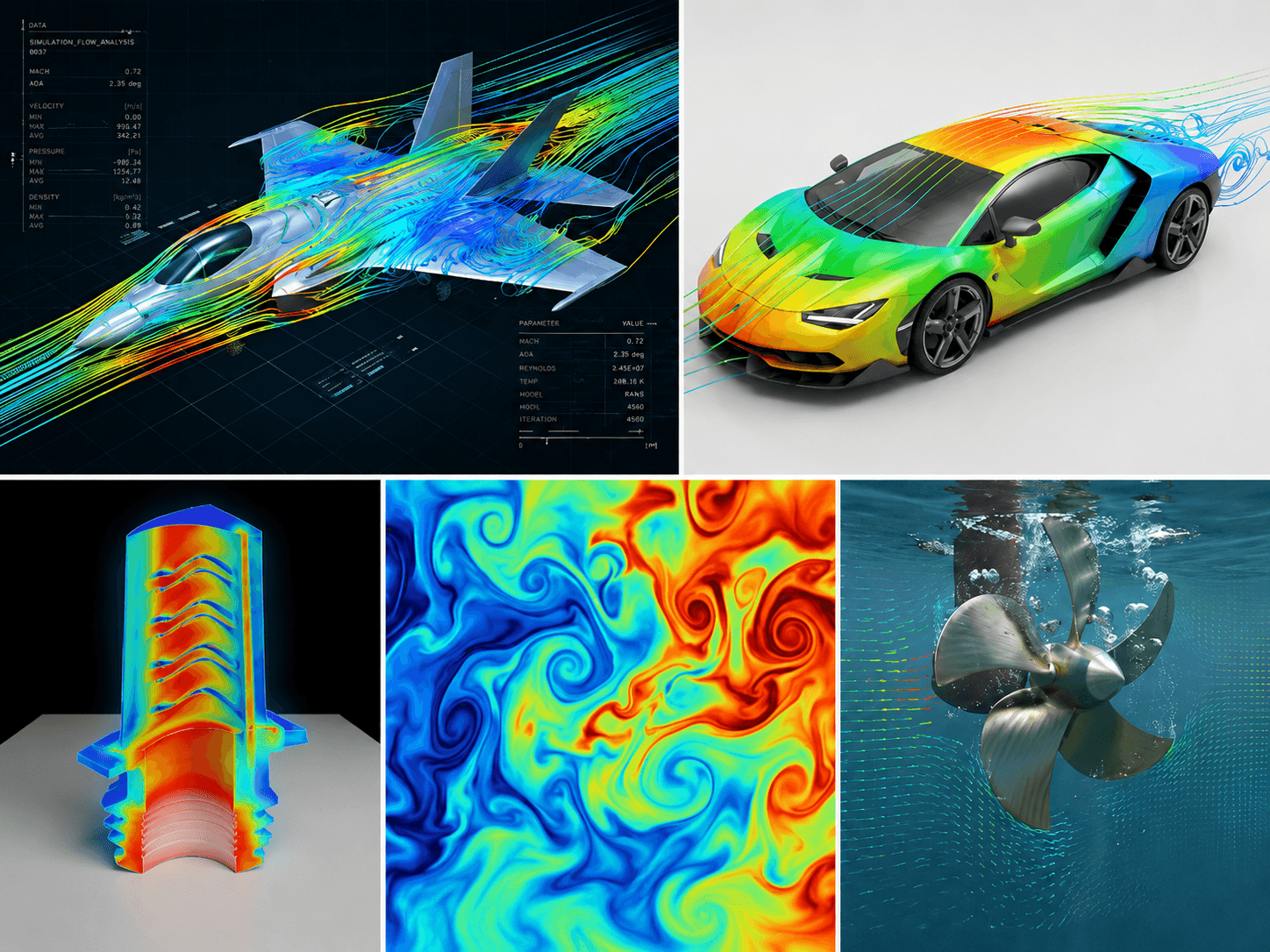
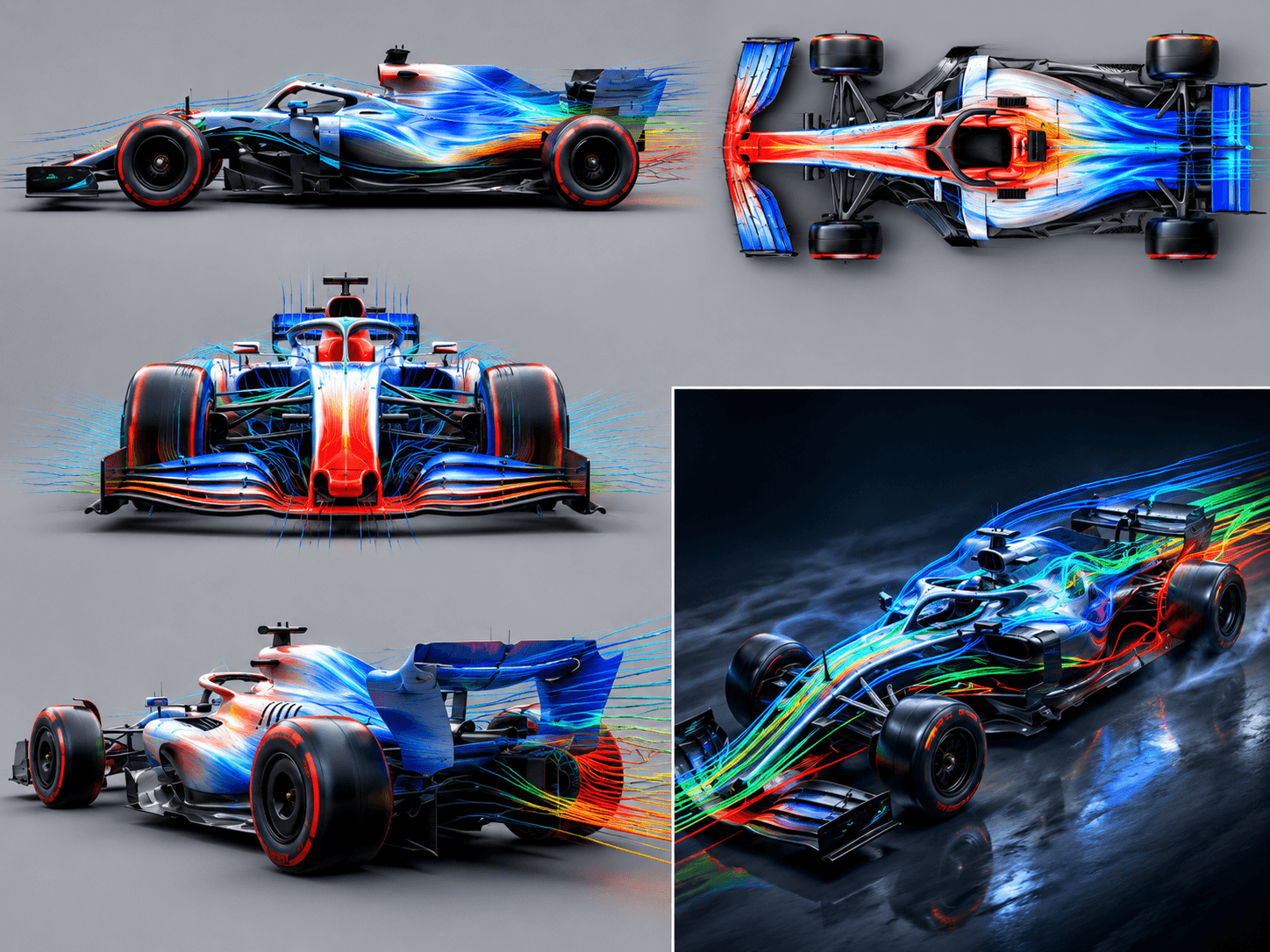
Real world simulations
Webinar coming soon
Seats are limited. Reserve your spot now!
Learn from experienced CFD professionals
Dr. Anju Ingle
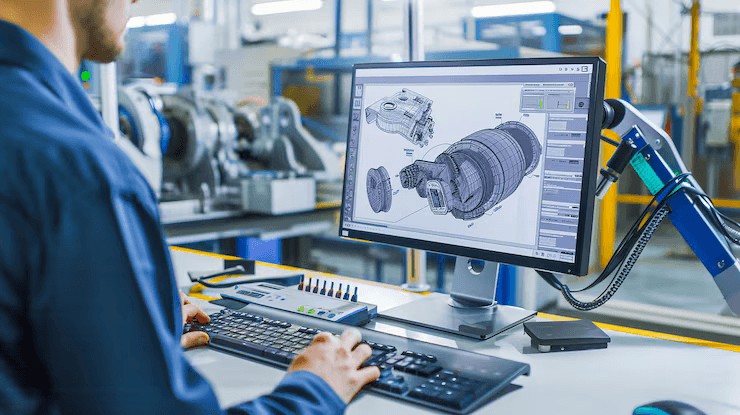
Qualification: PhD Chemical Technology
Domain expertise: CFD, Process Optimisation, AI-MLIndustry experience: 9+Years
Pavan Yandrapati

CFD engineer
Domain expertise : Digital Twins, Reduced Order Modeling, and Surrogate Modeling. I combine computational science and multidisciplinary engineering to create efficient, innovative solutions for complex engineering challenges.
Experience : 4+years
Webinar coming soon
Seats are limited. Reserve your spot now!
What learners are saying

Sandip Kolhe
"Before joining Fluidynexis, I only had theoretical knowledge of CFD. The practical workflow and industry-oriented approach helped me understand real simulations step by step. I now feel much more confident about applying for CFD-related roles and internships."

Hitesh Das
"The best part about Fluidynexis is the practical learning experience. Instead of only theory, I got exposure to real engineering workflows and simulations. It helped me understand how CFD is actually used in industries like automotive and thermal engineering."

Dev vrat, Process Engineer, Birla Carbon
"I had zero confidence in CFD before joining Fluidynexis. The way complex concepts were explained with practical examples made learning much easier. Now I can confidently understand simulations and industry workflows."

Nikhil Jadhav, CFD Engineer Underhood thermal & airflow simulations
"Fluidynexis helped me bridge the gap between college theory and industry expectations. The hands-on CFD learning and real case studies gave me practical exposure that I never got in college. Highly valuable for serious engineering students."
Webinar coming soon
Seats are limited. Reserve your spot now!
WHY FLUIDYNEXIS?
Practical Industry CFD
Learn workflows actually used in modern engineering industries.
Real-World Simulations
Go beyond theory through practical engineering applications.
Career-Oriented Learning
Develop skills aligned with future engineering opportunities.
Mentorship
Learn from qualified CFD professionals with industry exposure.
Project-Based Training
Build practical engineering experience through simulations and projects.
Webinar coming soon
Seats are limited. Reserve your spot now!
“WHY CFD?”
The future of engineering is simulation-driven
Aerospace
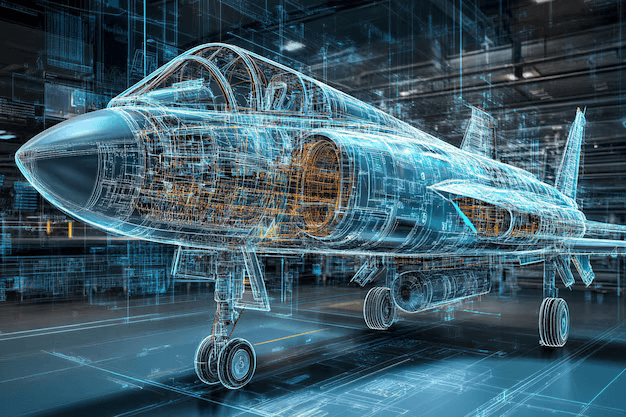
- Aircraft aerodynamics & thermal systems
Automotive
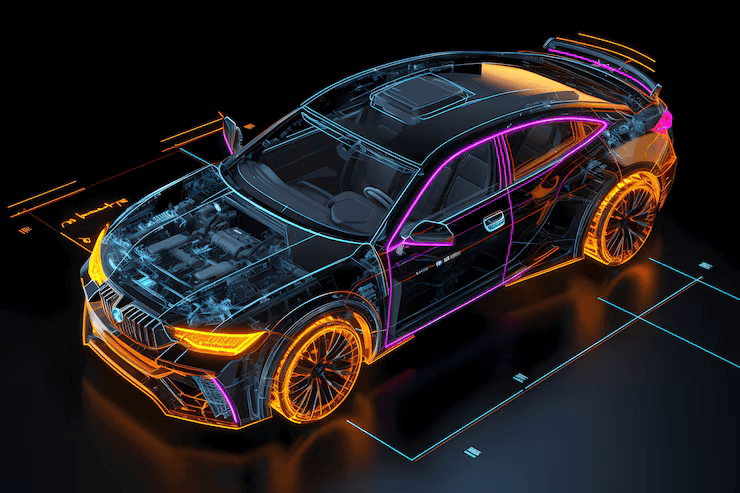
- Vehicle airflow & performance simulations
EV Industry
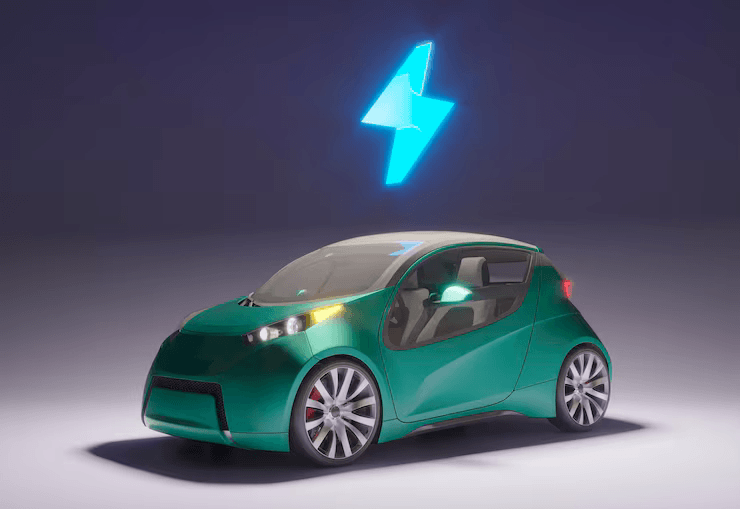
- Battery thermal management & cooling
HVAC
- Airflow optimization & energy efficiency
Advanced Manufacturing
- Simulation before production
Renewable Energy
- Wind turbine aerodynamics & solar thermal optimization
"Industries increasingly rely on simulations before building real-world products."
Webinar coming soon
Seats are limited. Reserve your spot now!
Why most engineering students
feel unprepared?
❌ Theory-heavy learning
❌ Lack of practical exposure
❌ No industry workflows
❌ Generic tutorials
❌ No project portfolio
❌ Career confusion
That’s exactly where Fluidynexis bridges the gap.
Webinar coming soon
Seats are limited. Reserve your spot now!
What you’ll learn?
Key Features
- CFD fundamentals
- Meshing & geometry
- Boundary conditions
- Turbulence models
- Solver techniques
Key Features
- Post processing
- Industrial simulations
- Real engineering projects
- Portfolio building
- Career guidance
Tools & platform you’ll work with
Key Features
- ANSYS Fluent
- OpenFOAM
- CFD Post
- Meshing Tools
- Simulation Workflows
Work on real simulation projects
PROJECT EXAMPLES
- Automotive airflow simulation
- HVAC airflow analysis
- Thermal cooling systems
- Aerodynamic studies
- Heat transfer simulations
Webinar coming soon
Seats are limited. Reserve your spot now!
Build skills relevant to modern engineering industries
INDUSTRIES
Aerospace
Automotive
EV
HVAC
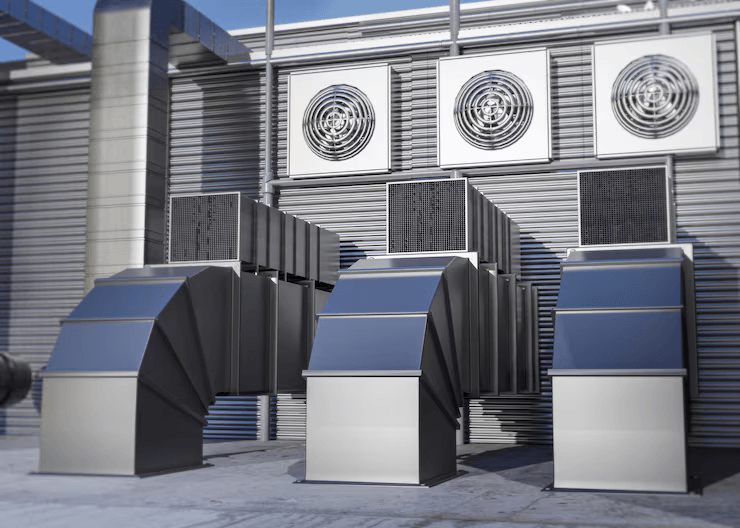
Thermal Engineering
Aerodynamics
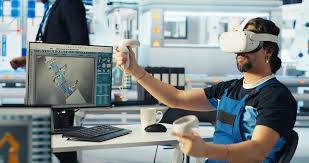
Simulation Engineering
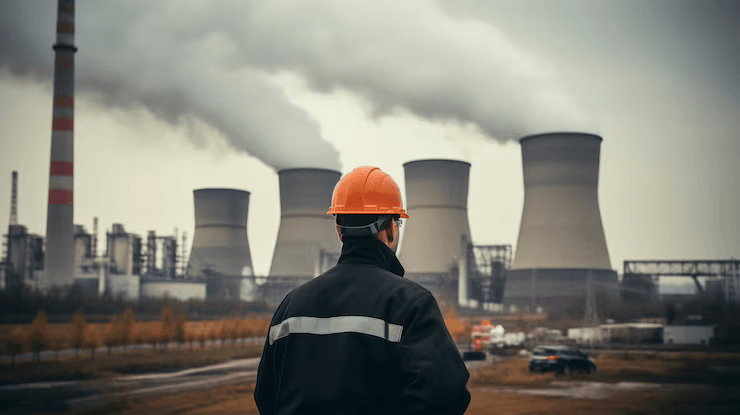
Oil & Gas

Biomedical Engineering
Avoid fake placement claims. Instead focus on:
Webinar coming soon
Seats are limited. Reserve your spot now!
How the learning experience works
Steps are as follows:
Structured learning
Simulation-based projects
Mentorship & guidance
Practical workflows
Career-oriented exposure
Webinar coming soon
Seats are limited. Reserve your spot now!
This program is designed for
✅ Automotive & EV learners
✅ Thermal & HVAC learners
✅ Young engineers wanting practical skills
✅ 3rd & final year students
✅ Aspiring CFD engineers
✅ Aerospace enthusiasts
CFD learning FAQs
1. Is this beginner friendly?
Yes. The program is designed for both beginners and aspiring engineers, starting from fundamentals and gradually moving to practical industry-level simulations.
2. Do I need coding?
No prior coding experience is required. You’ll focus primarily on simulation workflows and practical CFD understanding.
3. Which software will I learn?
You’ll work with industry-relevant tools such as ANSYS Fluent, OpenFOAM, CFD Post, meshing tools, and simulation workflows.
4. Is this theoretical or practical?
This is highly practical and project-oriented, focused on real-world engineering simulations beyond traditional theory.
5. Will projects be included?
Yes. You’ll work on practical simulation-based projects to build hands-on experience and strengthen your portfolio.
6. Are recordings available?
Yes, recordings will be available for learning flexibility and revision.
7. Is mentorship included?
Yes. You’ll receive guidance and mentorship from experienced CFD professionals throughout the learning journey.
8. Who is this program suitable for?
This program is ideal for engineering students, aspiring CFD engineers, and learners interested in aerospace, automotive, EV, thermal, and HVAC domains.
Move beyond theory. build real engineering skills.
Start learning practical industry CFD designed for future-ready engineering careers.